An apparently trivial figure can change everything: in certain municipalities, arranging a single parking space on private land already involves administrative procedures that are as precise as they are relentless. This detail, often overlooked, can turn a simple desire for parking into a real obstacle course.
Installing a parking lot on your plot is not just about laying gravel or marking a few lines. The legal framework is imposed at every step, and the development of a private parking lot on land comes with specific requirements: the local urban planning plan (PLU) details everything from authorized dimensions to regulated access, from the choice of surface material to the rules regarding vehicle exits. Nothing is done without referring to it.
The line between prior declaration and development permit is not crossed lightly. The larger the parking lot, the stricter the procedure becomes. A small space will often only require a simple declaration at the town hall, but constructing multiple spaces or a larger area requires a development permit. Overlooking these formalities exposes you to reminders that rarely go unnoticed.
Before starting the work, several essential requirements must be met:
- Respect the distances separating the roadway and property boundaries
- Plan for rainwater management to avoid discharges to the outside
- Anticipate accessibility if visitors or the public are expected to park
Creating a parking lot also involves paying the development tax. Depending on the municipality, each new space can incur a more or less significant cost, sometimes reduced by exemptions. The urban planning department will provide the precise estimate and will also remind you of all the additional requirements of the building code regarding access and safety.
No detail is left to chance when it comes to regulations. A non-compliant project, an error in distance or footprint, and it becomes a headache. All local texts must be consulted, or you risk seeing the construction halted or facing consequences over time.
What concrete steps are needed to create a parking lot on your land?
To avoid any unpleasant surprises, you need to study the land and its configuration in advance. Relief, existing access, buried cables or pipes: this reconnaissance eliminates technical surprises and allows for a realistic project design.
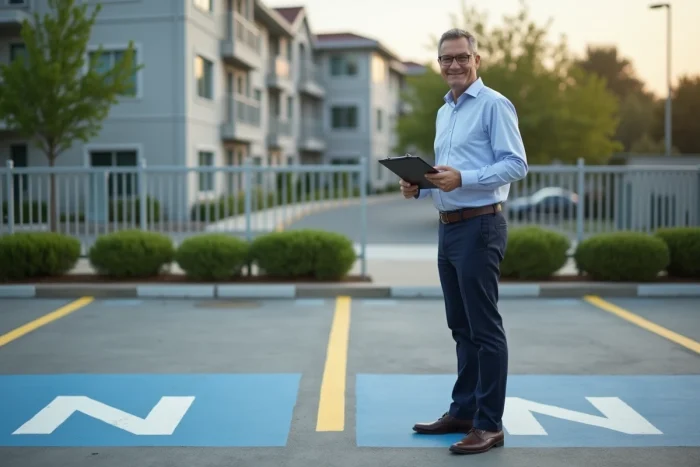
From the design stage, every dimension counts. Plan for about 2.5 meters wide per vehicle, and don’t forget the maneuvering or turning space, in accordance with municipal regulations.
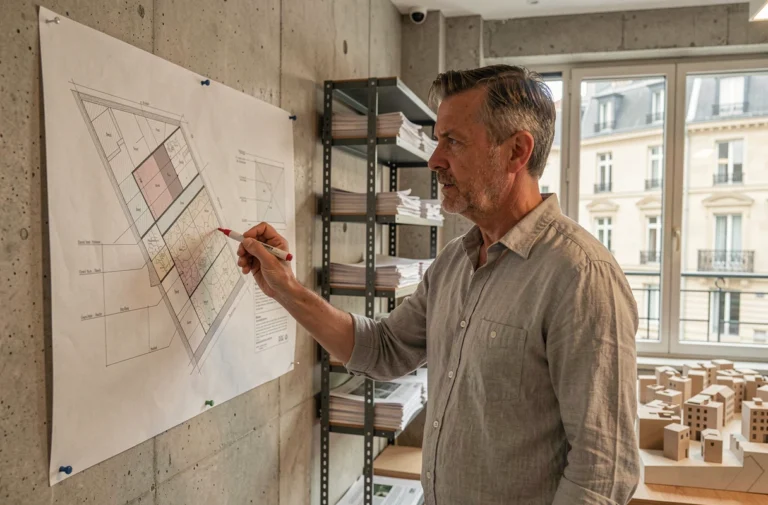
The first file to submit, generally, is the prior declaration. Prepare a set of clear plans, precise sketches, and a notice detailing the planned work. A complete file prevents unnecessary back-and-forth with the town hall and allows you to move forward without wasting time.
The choice of surface material will influence rainwater management. Permeable soils limit runoff, while an asphalt surface requires the creation of a robust drainage network, or you risk a turnaround at the first storm. Local rules will again dictate the acceptable surface material.
Once the agreement is received, the construction proceeds step by step: the ground must be excavated, leveled, a geotextile laid, the structure built, and then the chosen surface material applied. Lighting, ground marking, and signage make all the difference in terms of comfort and safety. When the parking lot serves multiple residences or welcomes the public, you must not overlook PMR regulations or any potential requests for exemptions to be submitted to the town hall.
A well-designed parking lot requires mastery of each step. One mistake, one oversight, and you are guaranteed an obstacle course during administrative checks or when it comes to commissioning.
Signs, access management, and environmental impact: key points not to overlook
Signage and safety: mark the accesses
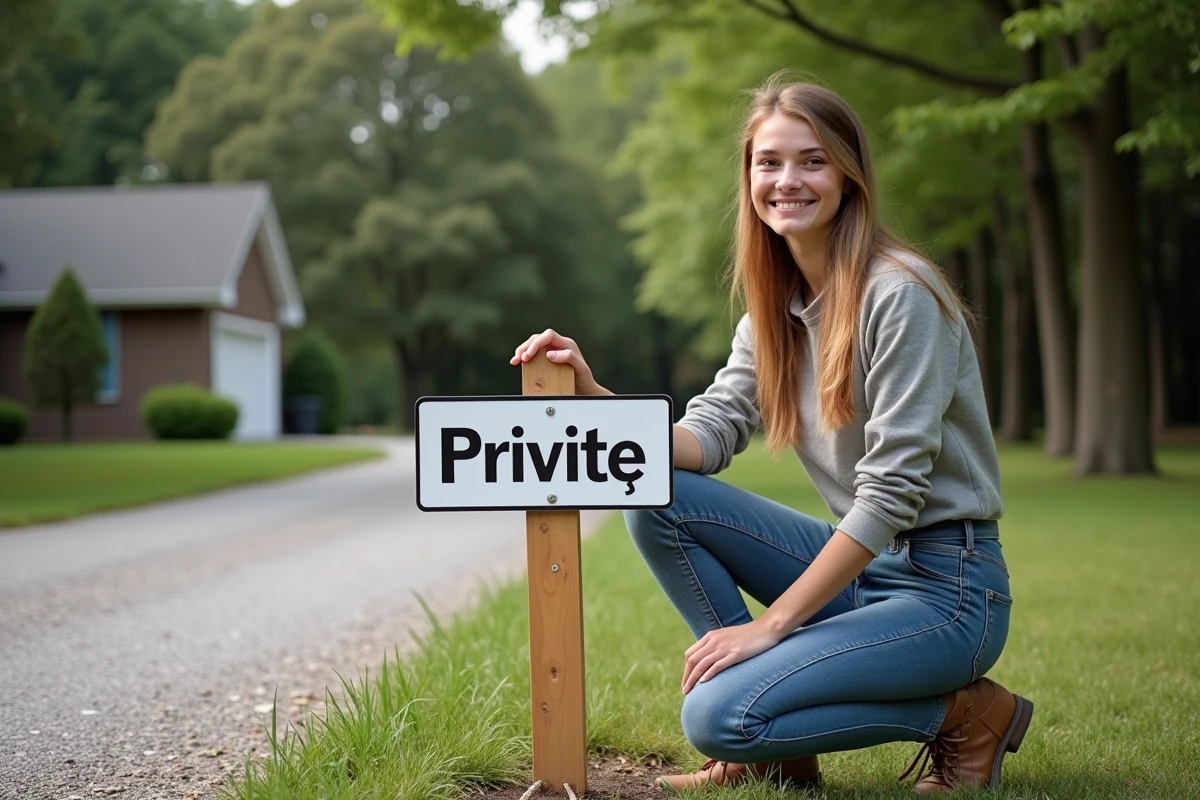
Displaying signs and signals is your best ally to avoid disputes or unauthorized occupations. Marking each space, clearly displaying the boundaries, and indicating “private property reserved parking” protects your peace of mind. Discipline is required in Paris as well as in Nantes, as space is limited everywhere and ambiguity always attracts opportunists.
Access control and practical organization
A peaceful parking lot requires control of access: an automatic gate, barrier, code, or badge at the entrance limits intrusions and reassures residents. You must also keep a passage reserved for emergency services. For co-ownerships or residences, numbering and transparent distribution of spaces extinguish disputes before they start.
Here are the essential levers for effectively organizing access and circulation within your parking lot:
- Access management: choice of opening system, entry control (barrier, badge, code…)
- Circulation: definition of traffic directions, suitable turning spaces
- Visibility: well-maintained lighting, clear marking, well-placed signs
Limiting environmental impact
Building a parking lot alters the balance of a plot. By prioritizing permeable materials and maintaining green strips or plantings, you promote water management and limit artificialization. A project that integrates well improves the quality of life in the neighborhood and protects the surrounding biodiversity.
From the first form to the installation of the last sign, every choice impacts the final result. Designing a private parking lot is never just about aligning spaces; it’s a careful balance of respecting rules, practical coherence, and respectful integration. In the end, it’s not just your car that benefits, but the entire neighborhood. The true success of your project is to install tranquility as solidly as a locked barrier.