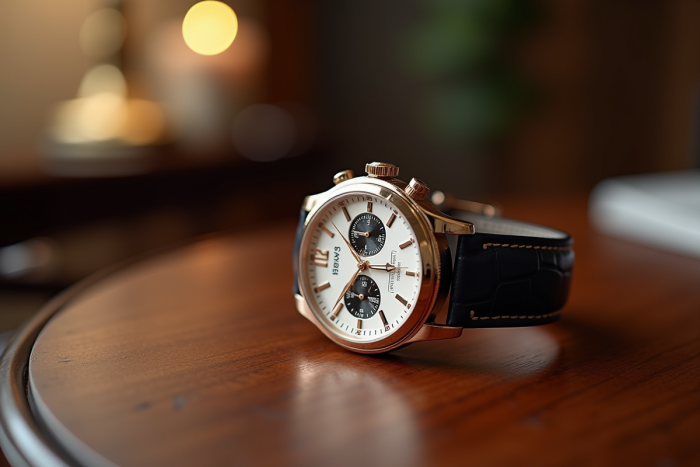
A 1972 model signed Audemars Piguet, originally sold for 3,300 Swiss francs, now trades for over 200,000 euros. Some limited editions see their value double in less than five years, while others stagnate or lose their appeal among collectors.
Unpredictable fluctuations, strict selection criteria, and real risks of counterfeiting disrupt traditional investment benchmarks. Yet, buyers continue to bet on this universe, seeking a balance between financial valuation and personal enjoyment.
High-end watches: why do they generate so much enthusiasm among enthusiasts and investors?
High-end watches captivate well beyond mere technicality or the elegance of the mechanism. Acquiring a luxury watch is to own a fragment of history, passing on a heritage that transcends generations. Collections thus enrich themselves with rare models, products of limited editions where artisanal craftsmanship meets precious materials and feats in horological complication.
It is no coincidence that icons like the Rolex Daytona, Patek Philippe Nautilus, or the Audemars Piguet Royal Oak inspire such dreams. Rarity and authenticity fuel the auction fever, feeding the imagination of enthusiasts and investors alike. Each reference carries a story: Buzz Aldrin, Paul Newman, Steve McQueen, or James Bond, all have shaped the legend of these iconic models.
For some, it’s luxury time. Collecting then becomes a committed act, sometimes well thought out. Renowned houses like Rolex, Patek Philippe, Jaeger-LeCoultre, Vacheron Constantin, or Richard Mille embody the ultimate sophistication of high-end watches.
Each acquisition is guided by this visceral passion, but strategy quickly rears its head. Watch investment attracts connoisseurs in search of rare models, luxury watch collections where aesthetic pleasure and potential appreciation come together.
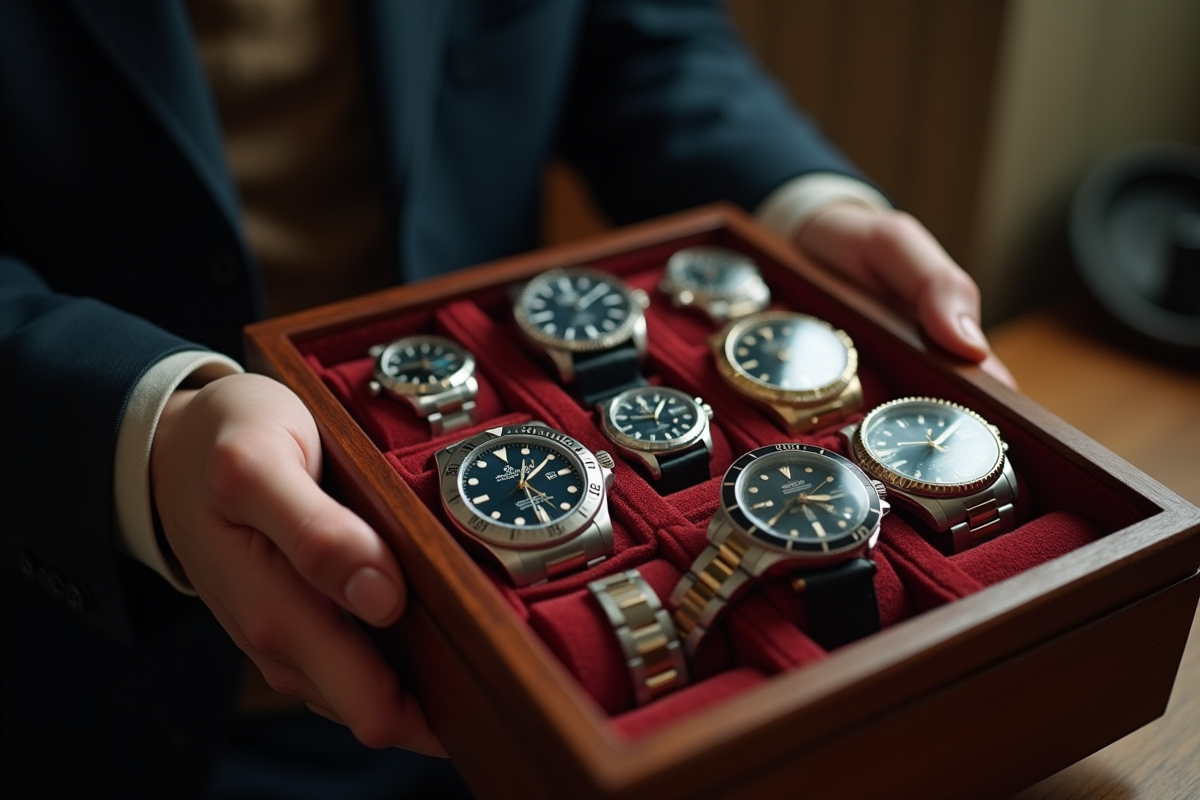
Decoding watch investment: selection criteria, market trends, and tips for preserving the value of your watch
Diving into watch investment requires adherence to specific criteria. One must pay close attention to rarity and authenticity, the true foundations of a piece with high heritage value. Iconic models, such as the Paul Newman Daytona, Patek Philippe Nautilus, or Audemars Piguet Royal Oak, transcend generations and maintain a steady appreciation in the secondary market.
To make the right choice, several elements deserve verification:
- The general condition of the watch
- The presence of the full set (box, papers, invoice)
- The absence of any unauthorized modifications
The luxury watch market comes alive during auctions or on specialized platforms, where prices can sometimes soar with trends. Managing a watch collection thus requires constant attention: every detail, even minor, can influence the future value of the watch.
Trends in the watches market are constantly evolving. The appeal for limited editions, series resulting from unique collaborations, or reimagined models continues to assert itself. Brands such as Rolex, Patek Philippe, Audemars Piguet, Omega, Jaeger-LeCoultre, and Vacheron Constantin set their pace, alternating bold innovations with fidelity to their heritage.
Some reflexes can help ensure the appreciation of your watch over time:
- Regular maintenance, entrusted to professionals
- Keeping all original documents
- Avoiding any risky personalization
Investing in luxury watches requires patience, knowledge of the secondary market, and a rigorous selection of pieces with strong identity. The reward, however, is appreciated with every tick of the wrist, or during a record sale.